MyEBikeLaw
A neutral compliance checker that reads a state's real e-bike statute, classifies the bike, and cites every claim back to the bill.
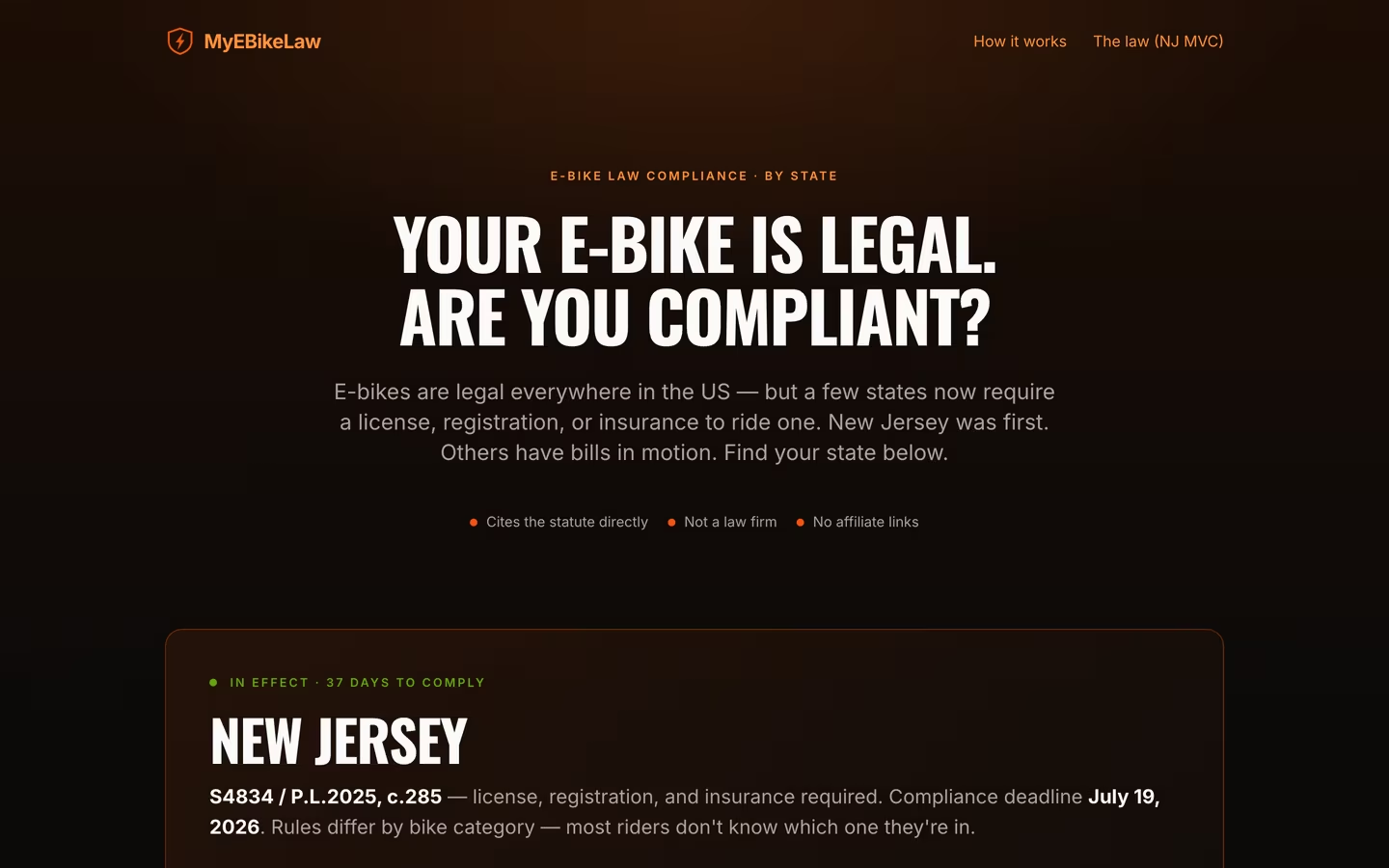
MyEBikeLaw answers one question (“is my e-bike legal here, and what do I have to do?”) and backs every answer with the actual statute. It's a neutral, ad-free compliance checker for real state e-bike laws (New Jersey's S4834 and Hawaii's HB 2021 are live today), built on a typed rules engine designed to scale to every state without a rewrite.
the key decisionThe statute is data; the engine is a pure function over it, so the law can change without the code changing.
The problem
Riders get conflicting answers about what's actually legal, and most sources are affiliate-driven blog spam. MyEBikeLaw reads the real statute, classifies the bike, surfaces the gaps, and cites every claim back to the bill: no insurance referrals, no affiliate links.
Honest about ambiguity
Instead of pretending the law is settled, it flags the Class 3 e-bike statutory gap and shows both the conservative reading and the alternate. A carrier directory ranks insurers by S4834-compliance evidence, not commission, and flags one as pre-launch in NJ, because that's the truth.
Craft
Restrained editorial type and an outcome-colored verdict system, so the answer reads at a glance on a phone, where most riders check it. The full result encodes into the URL (no backend, no accounts), and one click exports a clean Save-as-PDF compliance summary.
Considered interactions
Hand-rolled motion, no animation library: sections fade and slide up as they enter the viewport (one-shot, so nothing re-animates on scroll-back), the custom dropdown opens on its own eased curve, the verdict badge pops in on a spring easing so the answer lands with a beat, and buttons press in when tapped. Every motion is guarded by prefers-reduced-motion, so the whole thing goes still for anyone who asks it to.
Ask how it was built
Tap a decision and the assistant walks through it, answering only from the real build.
The result is a tool a rider can actually trust: it shows its work, links the bill on every line, and admits where the law is genuinely unsettled instead of guessing. Because the legal logic is pure and exhaustively tested, adding a new state is a data change, not an engineering project.